Nobody likes the grammar police. Patent lawyers, unfortunately, may be the exception.

In Enanta Pharmaceuticals, Inc. v. Pfizer Inc. No. 2025-1427 (Fed. Cir. June 23, 2026), one character did a lot of damage. The difference between C2 and C1 cost Enanta the priority date of its provisional application—and led the Federal Circuit to affirm that
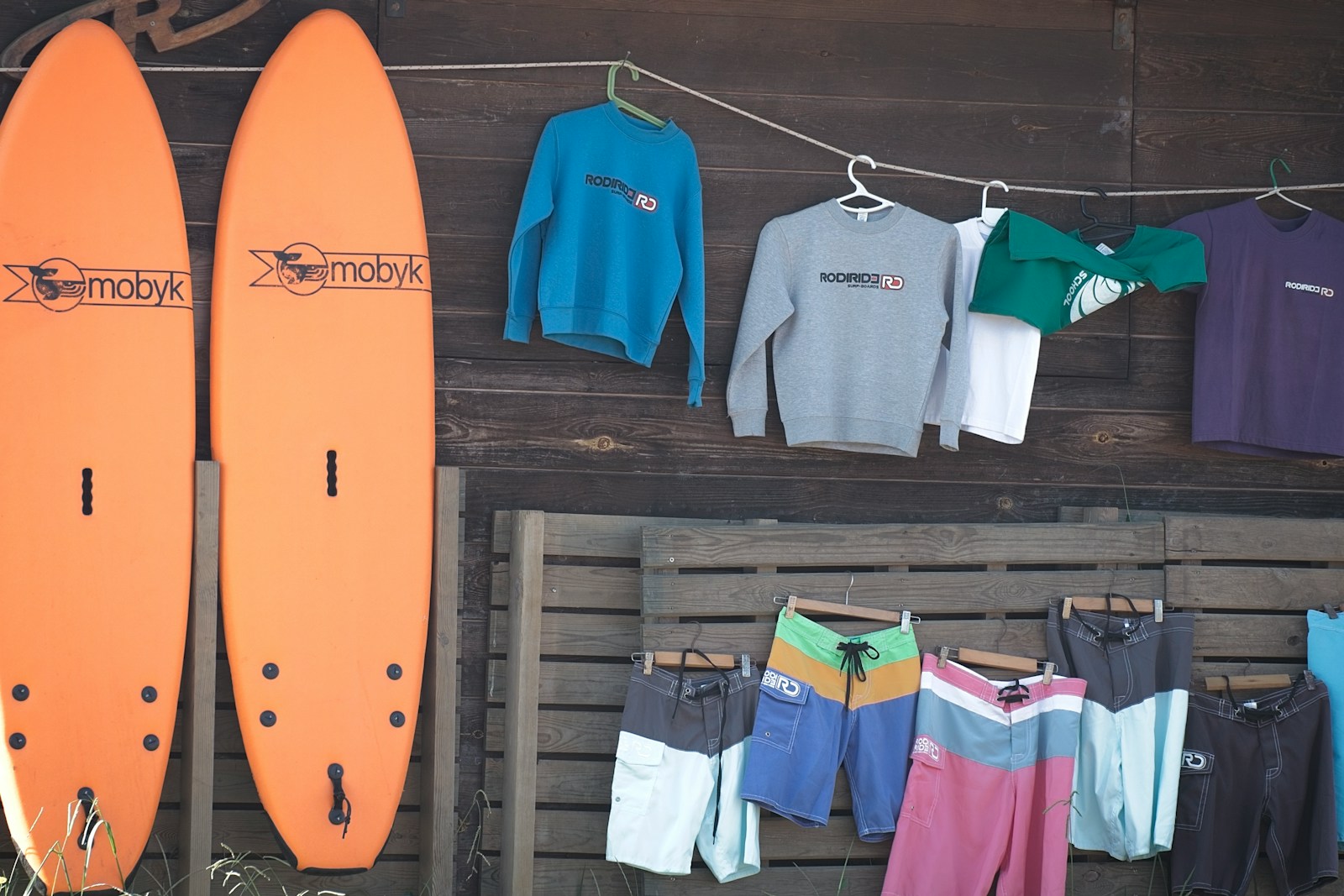

Shady’s back, back again—but this time with limited trademark success. In a prior post, we outlined how rapper Eminem has aggressively pursued protection of his trademarks in the United States and abroad, including a petition before the USPTO seeking cancellation of an Australian beachwear brand’s registration for the mark SWIM SHADY. At the time

In Any Given Sunday, Al Pacino’s character famously describes American football as a game of inches. In this football—umm, soccer—that line has become almost literal: joy, heartbreak, and World Cup survival can now turn on a toe, a shoulder, or a few millimeters.

Just ask Iran.

For a few glorious seconds, Iran had done

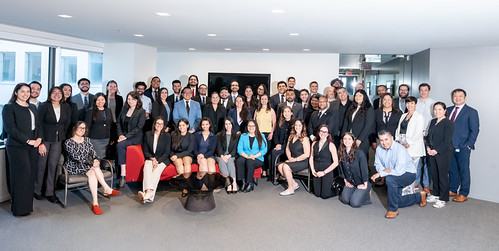
Seyfarth had the honor of participating in and sponsoring the Hispanic National Bar Association (HNBA) VIA Intellectual Property Law Institute (IPLI), a weeklong program held in Washington, DC.

The annual IPLI program offers law students the opportunity to participate in an engaging week of programming with practitioners across the field. Students met with lawyers, judges

A Boston‑based jewelry brand, now reintroduced as CLUB COASTAL, illustrates that resolving one trademark dispute does not prevent another. As discussed in our prior post, the conflict between Lagos and Coastal Caviar centered on the shared use of CAVIAR for jewelry, raising questions about similarity of marks, market overlap, and scope of protection for CAVIAR

AI is now a core part of creating modern marketing materials. Creative teams are using AI to create content, personalize experiences, streamline design workflows, and scale creative production faster than ever. As these AI tools continue to evolve, so do the opportunities and the risks.

This guide breaks down challenges marketers face today and the

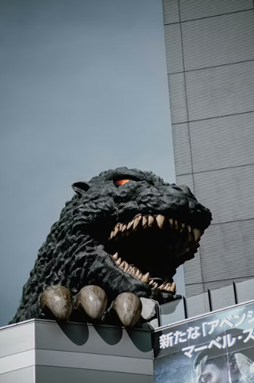
As fearsome as Godzilla has proven to be over the decades, the indomitable kaiju may have found its foil in Japanese copyright law.  A Tokyo court recently found several individuals guilty of violating Japanese law for publishing spoiler-heavy posts, including in relation to a recent Godzilla movie, on an entertainment review website.  The penalty for

Seyfarth’s 2026 Commercial Litigation Outlook reinforces a key reality for IP practitioners: artificial intelligence is not just driving innovation—it is fundamentally reshaping how intellectual property is created, protected, and challenged. This year, Seyfarth’s Intellectual Property team contributed insights focused on the growing risks to trade secrets, ownership rights, and proprietary information in an AI-driven environment.

Patent attorneys spend a lot of time explaining two deceptively simple concepts: novelty and obviousness. Both rise and fall on one thing: prior art. Most inventors assume prior art means a patent or some obscure technical paper written by someone surviving on cold brew and conference coffee.

That assumption is wrong.

Prior art is anything

The U.S. Supreme Court has declined to hear Dr. Stephen Thaler’s appeal seeking copyright protection for his AI‑generated artwork A Recent Entrance to Paradise. The decision allows to stand the long series of administrative and judicial rulings holding that a work created autonomously by an AI system cannot be protected by copyright under U.S.