If you’ve ever tried to carve a pumpkin, you know it’s not as easy as it seems. The knife gets stuck, one eye ends up bigger than the other, and your jack-o’-lantern looks less “terrifying” and more “mildly concerned.” Necessity is the mother of invention, so it’s no surprise that in 1979, Christopher A. Nauman came up with a better way to carve a pumpkin, and then patented it. The Patent Office apparently enjoys a little drama, because U.S. Patent No. 4,296,659: Jack-O-Lantern Forming Method, was granted on October 27, 1981, four days before Halloween.

Continue Reading Trick or Claim? What a Pumpkin Patent Teaches Us About Method Claims
Nobody likes the grammar police. Patent lawyers, unfortunately, may be the exception.

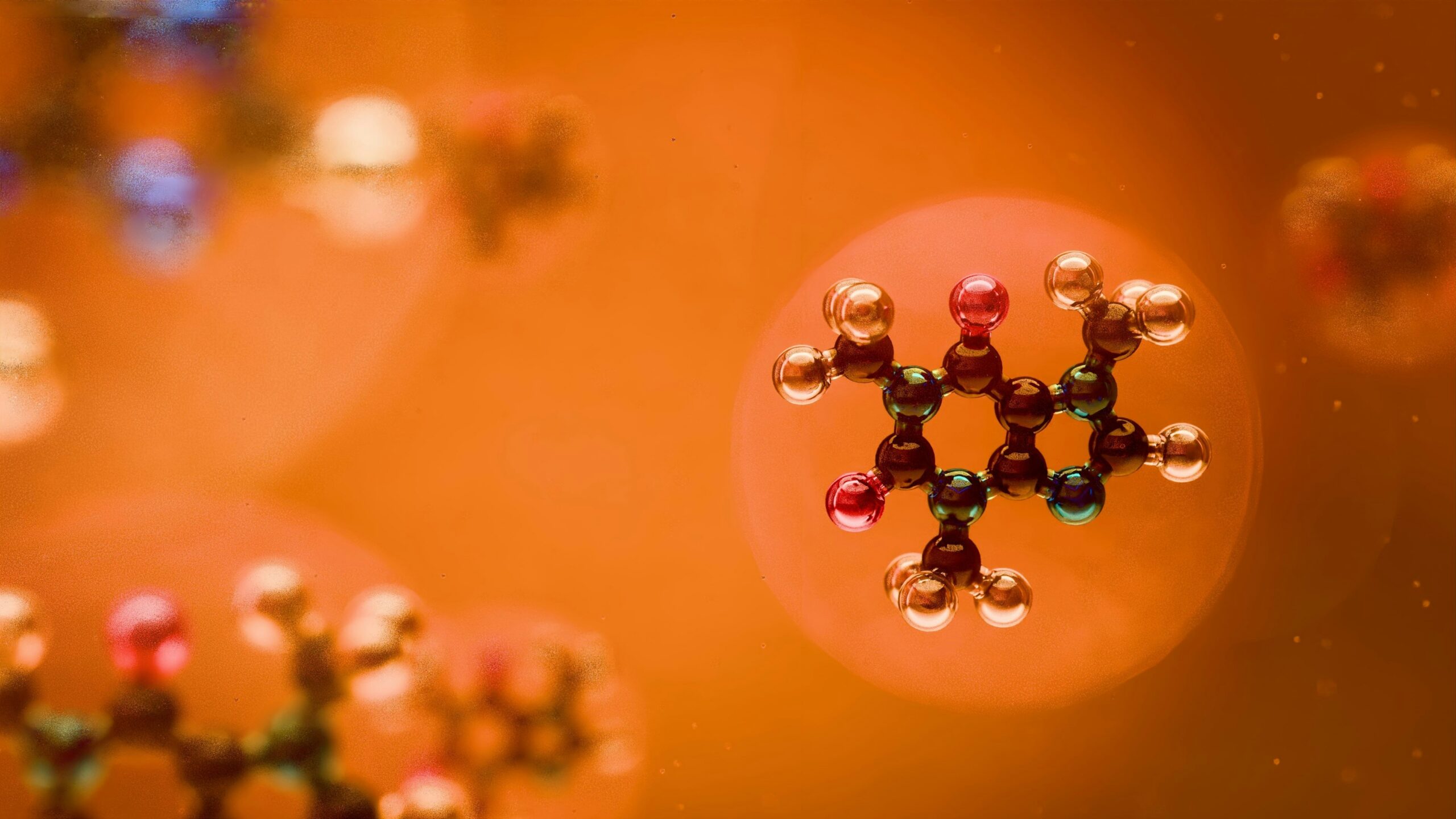
In Enanta Pharmaceuticals, Inc. v. Pfizer Inc. No. 2025-1427 (Fed. Cir. June 23, 2026), one character did a lot of damage. The difference between C2 and C1 cost Enanta the priority date of its provisional application—and led the Federal Circuit to affirm that the challenged claims were anticipated.

Turns out proofreading really can be worth millions.

But the case raises a more interesting question: Even if Enanta had gotten that one number right, did its provisional actually demonstrate possession of the later-claimed invention?

Enanta’s patent (U.S. Patent No. 11,358,953) covered compounds for inhibiting coronavirus replication and claimed priority to a provisional application filed in July 2020.

Continue Reading The One-Carbon Mistake That Cost A Patent Its Priority Date

For years, the debate surrounding artificial intelligence and patents has focused on a relatively simple question: Can AI be an inventor?

At least in the United States, the answer is currently no. Inventors must be natural persons.

Problem solved. Or perhaps not.

While lawyers, courts, and the USPTO have spent the past several years debating whether AI can be listed on a patent application, a more interesting question has quietly emerged.

What happens when AI does not invent the technology, but instead invents the innovation strategy?

Continue Reading When AI Generates the Idea: Rethinking Inventorship in the Age of Innovation Engines

Patent attorneys spend a lot of time explaining two deceptively simple concepts: novelty and obviousness. Both rise and fall on one thing: prior art. Most inventors assume prior art means a patent or some obscure technical paper written by someone surviving on cold brew and conference coffee.

That assumption is wrong.

Prior art is anything…

Seyfarth’s Patent Litigation practice group and partner Lisa Meyerhoff have earned recognition as “Highly Recommended” in World Intellectual Property Review‘s  “USA Patents Rankings” for 2025. The firm earned the designation for its contentious patent work, with Meyerhoff gaining the same honor individually.

The WIPR’s national patent rankings spotlight leading law firms and…

As the Seattle Seahawks and the New England Patriots meet again on football’s biggest stage, the rematch inevitably pulls everyone back to one moment. Different rosters. Different seasons. Same unresolved question. With a championship on the line, memories of the one-yard line come rushing back, not because the teams are the same, but because the…

Thanksgiving is finally here, which means the turkey gets its annual moment in the spotlight. For 364 days a year, the turkey is just trying to fit in. It was forced to take on roles it never auditioned for. Turkey bacon. Turkey sausage. Turkey pastrami. Turkey pepperoni on pizza that never asked for it. All…

Another day, another change at the USPTO.

If you have ever filed a patent application, you know there is a section that asks for your entity status: Large, Small, or Micro. If you have ever asked yourself whether size matters, the answer is now officially yes.

On October 24, 2025, the Office of the Assistant…

In a new Law360 article, Seyfarth partners Puya Partow-Navid and Brian Michaelis examine the early actions of newly appointed USPTO Director John A. Squires and their potential impact on patent eligibility, PTAB proceedings, and patent prosecution.

The piece explores Director Squires’ initial policy moves, including his decision to personally oversee AIA trial institution decisions and…