On October 26th, Lauren Leipold, J.C. Heinbockel, and Raymond Wong presented “Trademark Strategy for Asian Companies Entering the U.S. Market: Trademark Protection and Monetization.” The program explored an increasingly important question for companies looking to grow in the United States: how can trademark strategy support not just brand protection, but broader business objectives?

For Asian companies entering the U.S., one of the most important distinctions is that U.S. trademark rights are based largely on use in commerce. Registration offers important benefits, but registration alone does not establish ownership. For companies accustomed to first-to-file systems, that distinction places a premium on early clearance, including consideration of prior marketplace use as well as federal applications and registrations.

Ownership also deserves attention well before filing. Whether a mark is held by the Asian parent, a U.S. subsidiary, or a dedicated IP holding company can have implications for how the business uses, controls, licenses, and enforces its rights. Getting the structure wrong at the filing stage can create complications that follow a brand for years.

Asian-origin marks bring another layer of complexity. Translation and transliteration requirements, as well as the meaning of translated terms, can all influence the U.S. analysis. And the strategy should not end when a registration issues. Maintaining rights, exercising quality control in licensing arrangements, monitoring third-party use, and considering enforcement options all become part of protecting the value of the brand as the U.S. business grows.

Continue Reading U.S. Trademark Strategy: What Asian Companies Should Consider Before Entering the Market
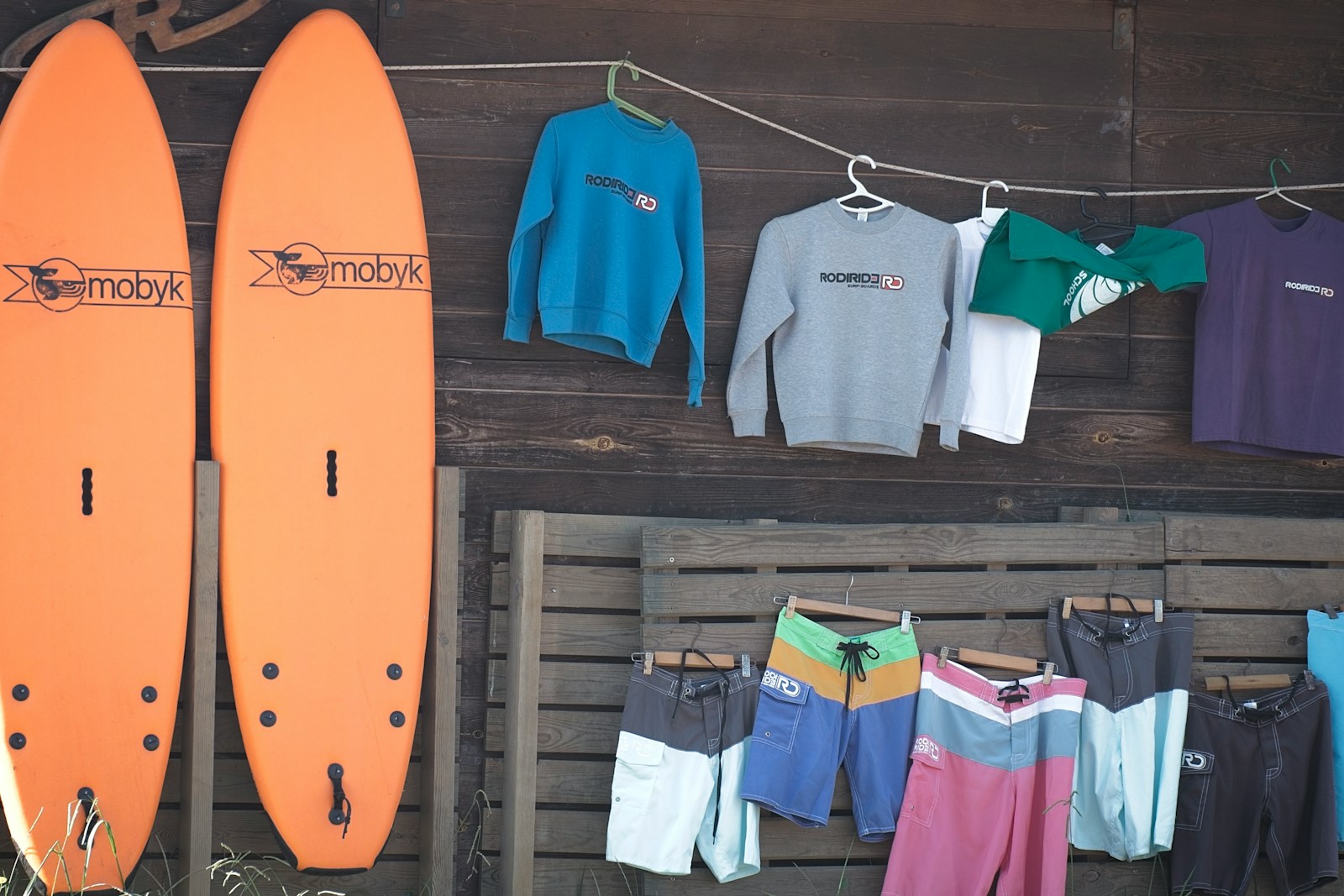


Shady’s back, back again—but this time with limited trademark success. In a prior post, we outlined how rapper Eminem has aggressively pursued protection of his trademarks in the United States and abroad, including a petition before the USPTO seeking cancellation of an Australian beachwear brand’s registration for the mark SWIM SHADY. At the time, related proceedings were still pending in Australia. Now, IP Australia, the government agency responsible for trademark registrations, has weighed in.

Continue Reading Hi, My Name Is … Swim Shady? A Recent Setback in Eminem’s Global Trademark Enforcement Efforts Clears the Way for an Australian Beachwear Brand

A Boston‑based jewelry brand, now reintroduced as CLUB COASTAL, illustrates that resolving one trademark dispute does not prevent another. As discussed in our prior post, the conflict between Lagos and Coastal Caviar centered on the shared use of CAVIAR for jewelry, raising questions about similarity of marks, market overlap, and scope of protection for CAVIAR as a trademark for jewelry. That dispute has since been settled. So, the answer to the various questions may not be known. Further, Coastal Caviar started moving forward under a new name.

Continue Reading Champagne Wishes and Caviar Dreams – Can Two CAVIAR Marks for Jewelry Coexist? (Update)

AI is now a core part of creating modern marketing materials. Creative teams are using AI to create content, personalize experiences, streamline design workflows, and scale creative production faster than ever. As these AI tools continue to evolve, so do the opportunities and the risks.

This guide breaks down challenges marketers face today and the…

Brackets are set. Bets are placed. As the biggest college basketball game of the year tips off this weekend, fans across the country will be wagering on the outcome of the FINAL FOUR® after the NCAA lost an initial bid to block DraftKings from using its trademarks in connection with the famed MARCH MADNESS…

Unrivaled is a 3-on-3 basketball league founded by WNBA superstars Napheesa Collier and Breanna Stewart. The league has attracted many established WNBA stars, like Ms. Stewart, as well as up-and-coming young players like Paige Bueckers, who signed a deal to play in Unrivaled even before she was selected as the first overall pick in the…

REGISTER HERE

Wednesday, January 21, 2026
1:00 p.m. to 2:00 p.m. Eastern
12:00 p.m. to 1:00 p.m. Central
11:00 a.m. to 12:00 p.m. Mountain
10:00 a.m. to 11:00 a.m. Pacific

About the Program

Join Seyfarth partners Lauren Leipold and Ken Wilton as they present their annual recap of the most significant trademark law and litigation…

Eminem’s recent trademark activities raise a question. Is Slim being shady in attempting to enforce his trademark rights, or is he duly protecting his brands?  Protecting one’s trademarks isn’t just for big businesses, online retailers, or chain stores. It’s for musical artists too. As discussed in What’s in a (Band) Name? Why Bands Need Trademark…

Merci, Danke, and Thank You—different in linguistic origin, yet all express gratitude.  Now that we are in the holiday season, you may want to convey appreciation to someone by expressing thanks or giving a gift, perhaps chocolate.  After all, saying “thank you” is commonly associated with chocolate, at least according to the Trademark Trial and…

The phrase “Boston Strong” became a rallying cry for the strength and support Bostonians displayed after an act of terrorism. 

In 2013, two brothers planted bombs near the finish line of the Boston Marathon in Copley Square.  Three people were killed, and hundreds were injured.  Residents of Boston and surrounding neighborhoods were told to stay…