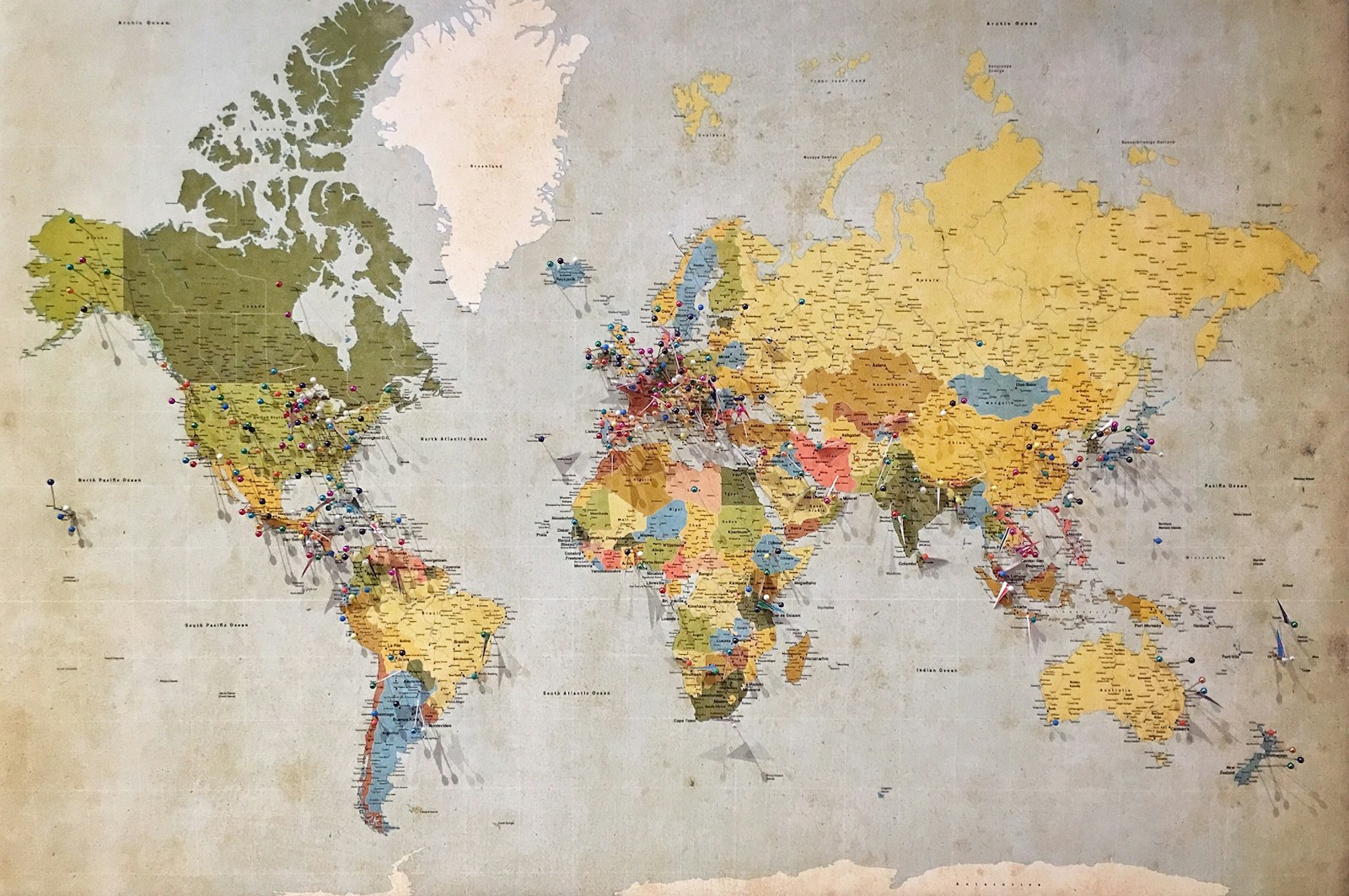
Artificial intelligence may be global, but patent eligibility remains stubbornly local. A recent decision out of the Supreme Court of the United Kingdom seems to have nudged UK practice for computer-implemented inventions closer to the approach historically taken by the European Patent Office. The decision lowers the threshold for exclusion from patentability, reducing the likelihood
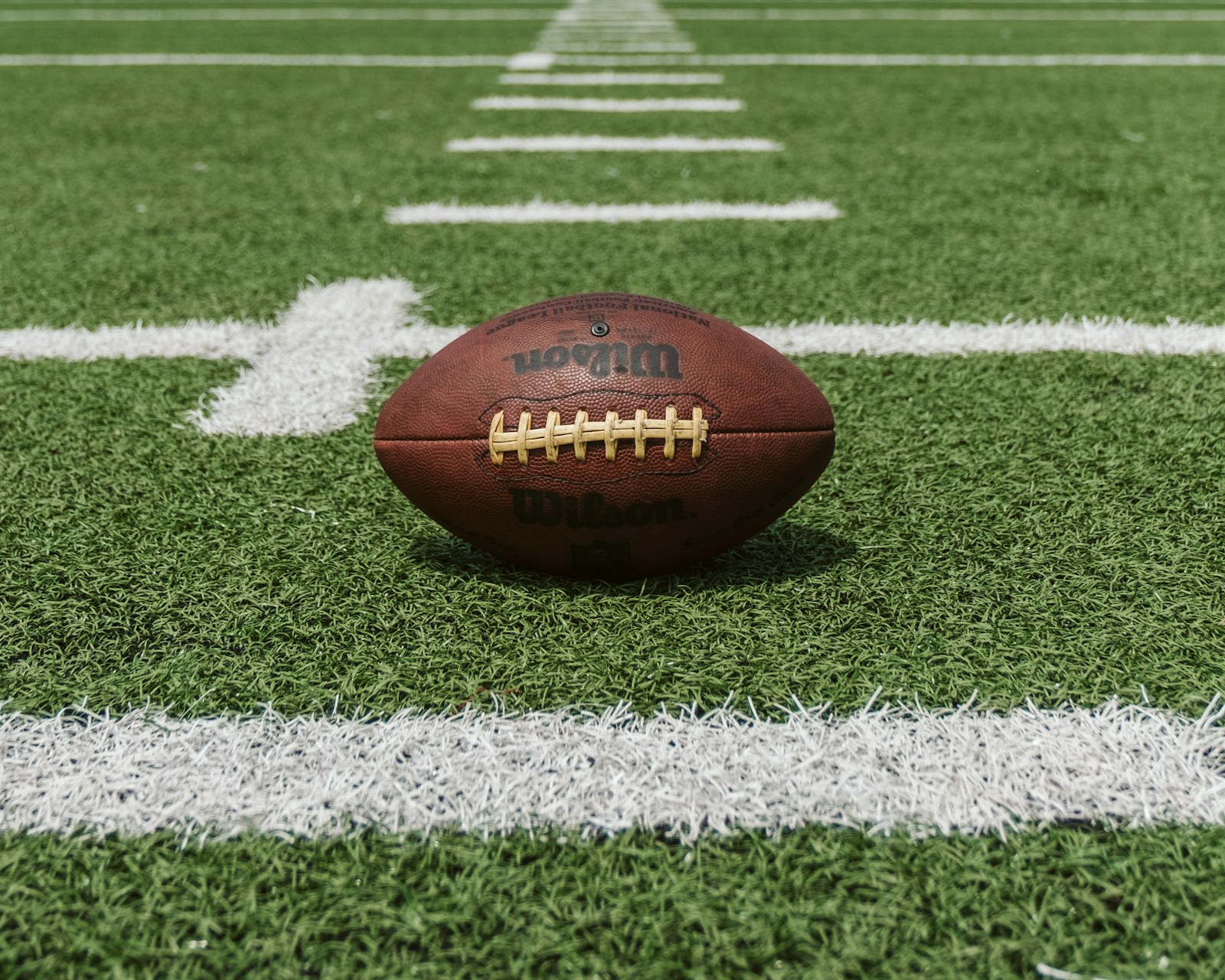
As the Seattle Seahawks and the New England Patriots meet again on football’s biggest stage, the rematch inevitably pulls everyone back to one moment. Different rosters. Different seasons. Same unresolved question. With a championship on the line, memories of the one-yard line come rushing back, not because the teams are the same, but because the

Seyfarth’s Future of Automotive Series

On Tuesday, November 26, 2024, the Federal Trade Commission (“FTC”) released a staff report examining the duration of software support commitments by manufacturers of 184 connected devices, ranging from “smart” phones to health monitors to home appliances. The report found that nearly 89% of manufacturer web pages failed to disclose

Thursday, September 26, 2024
1:00 p.m. to 1:30 p.m. Eastern
12:00 p.m. to 12:30 p.m. Central
11:00 a.m. to 11:30 a.m. Mountain
10:00 a.m. to 10:30 a.m. Pacific

For more information and to register, click here.

Please join us for the first session of Seyfarth’s inaugural Winning Combinations: Exploring Synergies with Government Contracts Law

In 2014, the Supreme Court upended U.S. patent law in the landmark ruling for Alice Corp. v. CLS Bank International.  The Alice decision established new standards for determining whether inventions, especially those related to software and business methods, are eligible for patents.

Following the Alice decision, there was a significant increase in 101 rejections